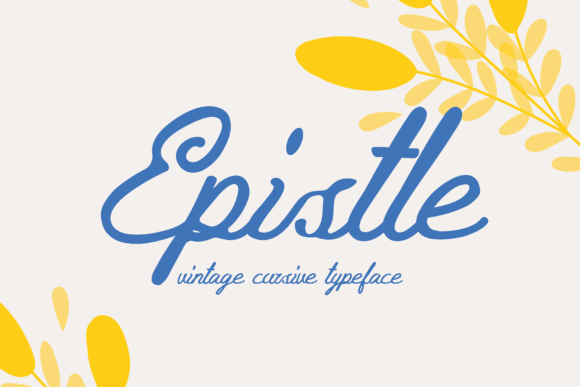
Epistle: A Vintage Cursive Font That Elevates Your Business Branding
Why Epistle Is the Right Typeface for Small Business Owners
As a small business owner, every visual detail matters. Your brand needs to feel cohesive, trustworthy, and memorable—from your logo to your packaging, from your website to your social media posts. That’s where Epistle comes in. This vintage cursive typeface brings a touch of handmade charm and personality to your brand visuals, without sacrificing professionalism.
Epistle isn’t just a font—it’s a design asset that helps you connect with your audience in a more human, approachable way. Whether you run a boutique, a café, a handmade product shop, or a coaching business, Epistle can help you look polished and intentional across all customer touchpoints.
What Makes Epistle Stand Out
Epistle is a script font with a distinct personality. Its fluid curves and slightly imperfect lines give it a warm, organic feel that mimics real handwriting. Unlike overly clean or digital-looking fonts, Epistle feels like it was created by hand, giving your brand a sense of authenticity and care.
It’s the kind of typeface that works well for businesses that want to feel creative, thoughtful, and personal. Think of a small-batch candle maker, a boutique coffee shop, or a wedding planner—Epistle helps them stand out with a visual tone that’s both elegant and relatable.
How to Use Epistle in Real Business Applications
One of the best things about Epistle is its versatility. While it’s a decorative font, it’s designed to be used strategically across a variety of branding materials. Here are a few practical ways to incorporate it into your business:
- Logo design: Use Epistle as your primary logo typeface or as a signature element to add warmth and uniqueness.
- Packaging design: Perfect for product labels, thank-you tags, and custom stickers that customers will remember.
- Social media graphics: Add a touch of elegance to Instagram posts, Pinterest pins, and Facebook banners.
- Business cards and stationery: Stand out with a unique but professional look that reflects your brand’s personality.
- Website banners and headlines: Use Epistle for hero text or section headers to create visual interest without overwhelming the layout.
Whether you're printing on product tags or designing a digital ad, Epistle adapts well to different formats while maintaining its character and legibility.
How the Right Font Builds a Stronger Brand
Fonts aren’t just about aesthetics—they’re a key part of your brand identity. The right typeface helps your business look consistent, which builds trust with your audience. When customers see the same fonts across your packaging, website, and social media, they begin to associate those visuals with your brand values.
Epistle gives small businesses a premium feel without requiring a big design budget. It helps you communicate warmth, creativity, and authenticity—traits that resonate with modern consumers who value handmade, independent, and small-scale brands.
When to Use Epistle as a Display Font
While Epistle is highly readable in larger sizes, it’s best used as a display font or accent typeface. That means it shines brightest in headlines, logos, and short phrases rather than long paragraphs.
For example, use Epistle in your logo or on a product label, and pair it with a clean sans serif font like Montserrat or Open Sans for body text. This combination keeps your design visually engaging while ensuring readability across all platforms.
This kind of font pairing is especially important for digital use. On mobile screens or small social media thumbnails, clarity is key. Using Epistle sparingly ensures it has visual impact without making your content hard to read.
Real-World Examples: Epistle in Action
Let’s look at a few realistic ways small businesses are using Epistle to enhance their brand presence:
- Bakery branding: A local bakery uses Epistle for its logo and menu headings, giving it a warm, homemade feel that matches their product line.
- Handmade candle labels: A candle maker uses Epistle for product names and special edition tags, adding a touch of elegance and personality.
- Beauty product packaging: A skincare brand uses Epistle in their packaging design for product names and ingredient highlights, creating a soft, natural aesthetic.
- Coaching and consulting websites: A life coach uses Epistle in their website banner and email headers to convey approachability and inspiration.
- Boutique logo design: A clothing boutique uses Epistle as part of their logo to reflect their curated, stylish offerings.
In each case, Epistle helps the business feel more human and intentional—qualities that customers respond to emotionally.
Testing Epistle Before Full Brand Adoption
Before committing to using Epistle across your entire brand, it’s smart to test how it works in different contexts. Try it out on sample packaging, mock up a logo version, or create a few social media templates to see how it looks in practice.
Also, consider how Epistle performs in both print and digital formats. Does it look crisp on product labels? Is it legible on mobile devices? These are important questions to answer before finalizing your design choices.
Simple Font Pairing Ideas with Epistle
One of the easiest ways to use Epistle effectively is by pairing it with a clean, modern typeface. Here are a few combinations that work well:
- Epistle + Montserrat: A great match for modern yet friendly branding, especially for online shops and service-based businesses.
- Epistle + Lora: Combines two expressive typefaces for a more editorial or luxury feel, perfect for beauty or lifestyle brands.
- Epistle + Roboto: Balances charm with functionality, ideal for tech-savvy creators or wellness brands.
These pairings help maintain visual interest while ensuring your brand stays readable and professional.
What to Know About Commercial Font Licensing
Before using Epistle in your business materials, always check the font’s licensing terms. Most premium fonts, including Epistle, require a commercial license to be used in logos, packaging, merchandise, and client work.
Make sure you have the right permissions to use the font in all the ways you plan to—especially if you're selling products or offering templates and digital downloads. Licensing ensures your brand stays compliant and professional.